
Ecological Wing
Ecological Wing -Let Nature Prosper
In a world slowly drifting away from the rhythm of nature, Hansadhwani rises as a gentle yet determined voice for the Earth — an eco-socio-cultural movement rooted in awareness, compassion, and collective responsibility.
The Ecological Wing of Hansadhwani is born from a simple yet profound belief: when nature breathes freely, humanity flourishes. Through community-driven initiatives, environmental awareness, and sustainable action, we strive to restore harmony between people and the natural world, paving the way toward a greener, healthier, and more conscious future.
Our Ecological Vision
We believe nature is not merely a resource to be consumed, but a living presence to be respected, protected, and nurtured. Every tree carries memory, every river carries life, and every living creature forms part of a sacred ecological balance.
Hansadhwani envisions a society where development and environmental responsibility walk hand in hand — where urban spaces bloom with greenery, communities live sustainably, and future generations inherit a planet that still sings with life.


Core Pillars of Our Movement

Sustainable Agriculture
We encourage the cultivation of fresh vegetables and crops without harmful chemicals, inspiring communities toward organic farming, healthy food systems, and sustainable living practices that honor the soil rather than exploit it.
Pollution Mitigation
Hansadhwani advocates reducing pollution in all its forms — air, water, soil, sound, and plastic pollution — while promoting conscious lifestyle choices that protect the fragile balance of our environment.
The Battle Against Plastic
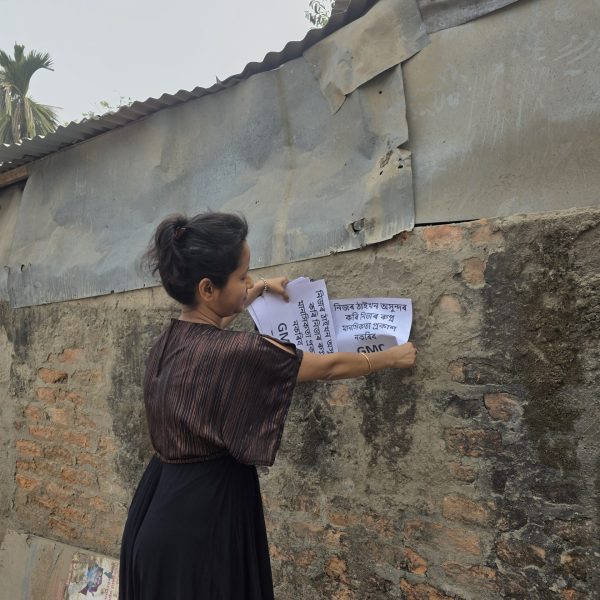
We firmly oppose the use of single-use plastic that silently wounds rivers, forests, wildlife, and human health alike. Through awareness campaigns and community participation, we promote eco-friendly alternatives and responsible consumption.
Biodiversity & Wildlife Protection
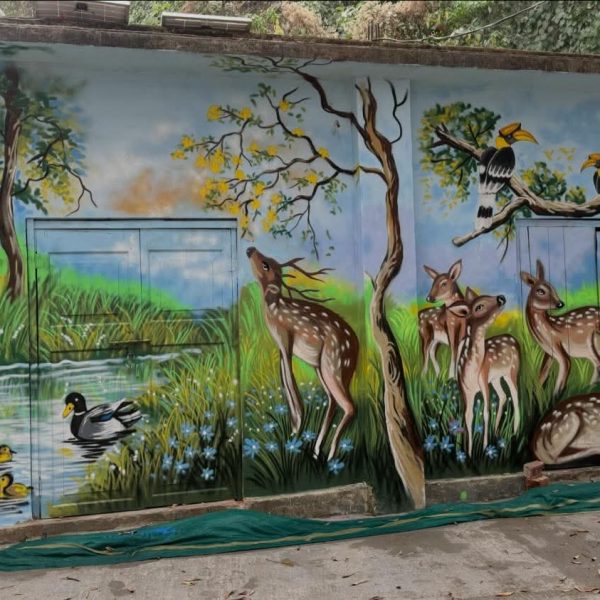
Protecting wildlife, nurturing biodiversity, and preserving natural ecosystems are not merely activities for us — they are acts of gratitude toward the planet that sustains our existence.
Urban Beautification
&
Sustainable Development
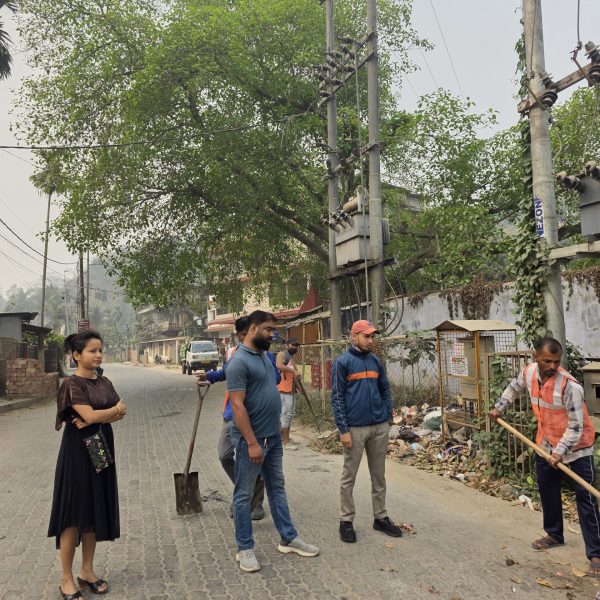
A true harmony with nature cannot be achieved without transforming the places where humanity resides. Hansadhwani is deeply committed to creating clean, safe, organized, and aesthetically vibrant urban environments through systematic ecological planning and community participation.
Advanced Waste Segregation
We advocate systematic waste management where dry and wet waste are separated at the source itself. Through public awareness and organized disposal systems, we aim to reduce landfill burdens while encouraging recycling and composting practices.
Scientific Drain Management
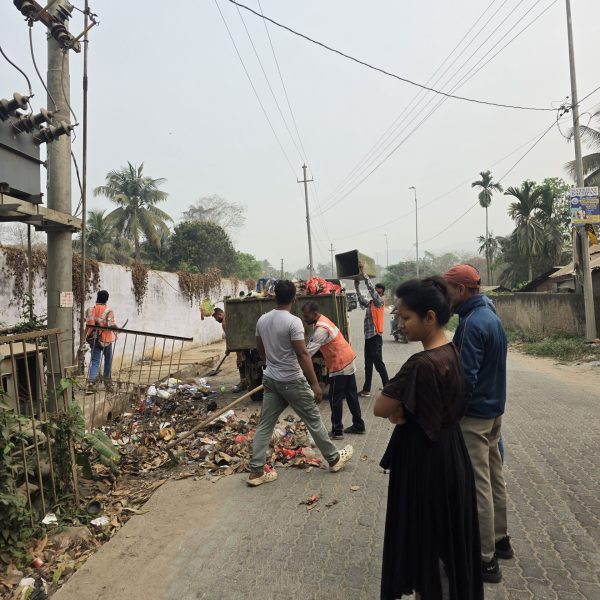
Clogged and neglected drains threaten both public health and local ecosystems. Hansadhwani promotes regular desilting, prevention of plastic choking, and eco-sensitive drainage systems that ensure proper water flow and reduce urban flooding.
Systematic Utility Infrastructure
Messy overhead cables and dangling electric wires create both visual pollution and safety risks. We support systematic alignment, bundling, and underground routing of utility infrastructure to create cleaner, safer, and more beautiful public spaces.
Industrial–Residential Safety Balance
Human health should never become the price of industrial progress. In residential areas situated near industrial zones, we advocate regular Air Quality Index (AQI) monitoring, strict implementation of safety protocols, emission control systems, and the development of protective green buffer zones.
Rapid Reforestation & Ecosystem Recovery
Where uncontrolled urbanization has destroyed green cover, we choose action over silence. Hansadhwani actively identifies deforested regions and launches targeted afforestation drives using native tree species to restore ecological balance and strengthen sustainable development.
Creative Community Spaces & Eco-Art
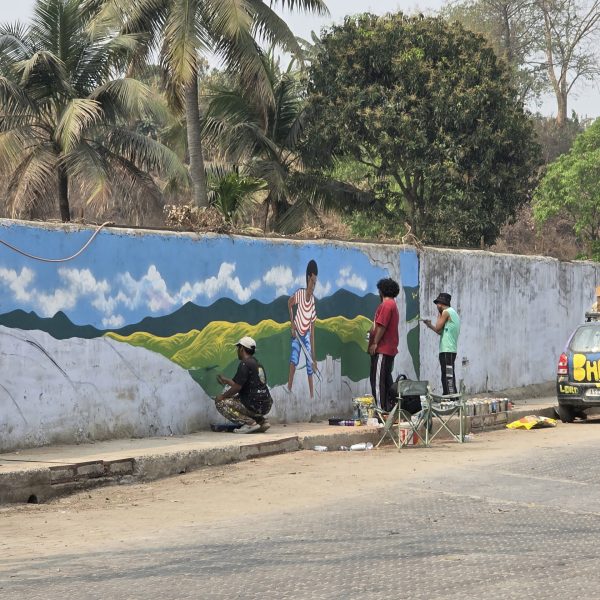
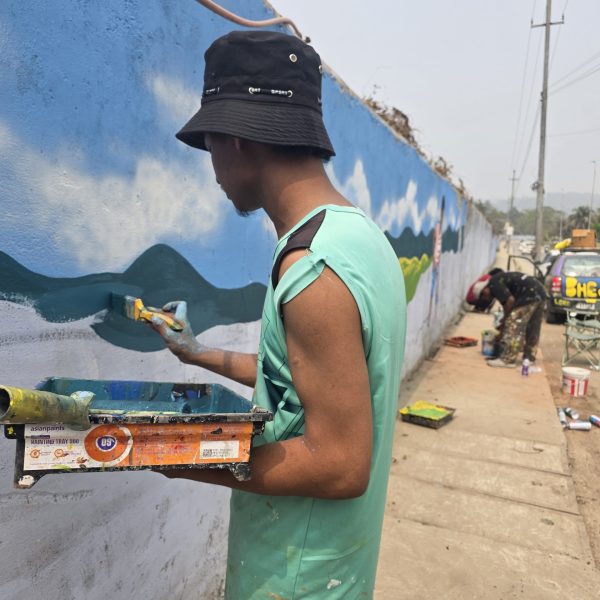
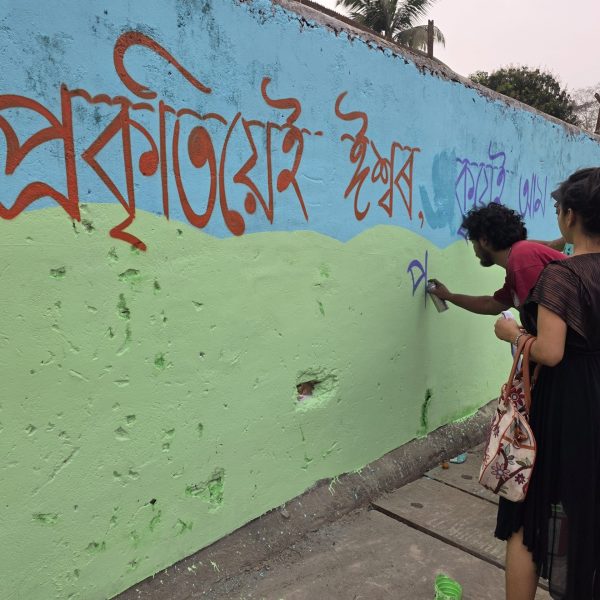
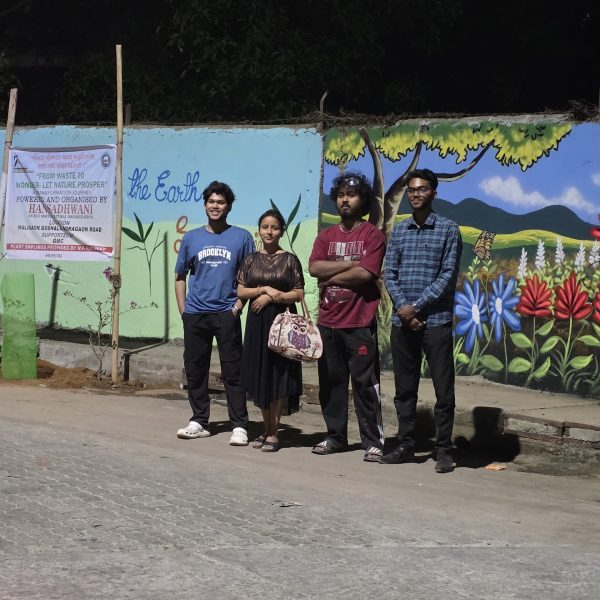
We believe awareness should also inspire beauty. By transforming neglected public walls into vibrant ecological art and developing micro-parks and green corners, we turn forgotten urban spaces into living reminders of humanity’s bond with nature.
Our Promise to the Future
Through every sapling planted, every clean pathway restored, every responsibly managed urban space, and every awakened heart, Hansadhwani seeks to build a future where nature and humanity walk together in harmony. Because when nature prospers, civilization truly flourishes.
Eco-Tourism Through Urban Beauty & Cultural Identity
Hansadhwani believes that ecological awareness and tourism can grow together when a city reflects cleanliness, beauty, heritage, and cultural dignity in every corner. We envision an environmentally conscious model of eco-tourism where visitors do not merely see a city, but experience its soul.
To nurture this vision, we encourage the beautification and ecological management of every part of urban life — from streets and public pathways to local marketplaces and community spaces.
Hygienic & Aesthetic Local Markets
Traditional vegetable, fruit, fish, and meat markets are the living heartbeat of a city’s everyday culture. Hansadhwani advocates maintaining proper hygiene, systematic waste disposal, clean drainage, and organized layouts in these marketplaces so that they remain healthy, attractive, and environmentally responsible spaces for both citizens and visitors.
Removing Visual Pollution
Unnecessary and excessive hoardings often damage the visual harmony of public spaces and disconnect people from the identity of their own city. Hansadhwani strongly encourages the removal of unwanted hoardings and visual clutter from important public areas.
Reflecting Heritage & Culture
Instead of commercial visual pollution, we believe public spaces should reflect the rich heritage, culture, folklore, art, architecture, and traditional identity of the land. Walls, pathways, bridges, parks, marketplaces, and prominent locations can become beautiful storytelling spaces that celebrate local history and cultural pride.
Reimagining Guwahati
We respectfully encourage the government, responsible authorities, urban planners, and conscious organizations to come together in redesigning and reimagining Guwahati through sustainable urban planning and ecological aesthetics.
Guwahati is already one of India’s naturally beautiful cities — embraced by hills, the Brahmaputra, and deep cultural heritage. With visionary planning, ecological responsibility, organized urban management, and collaborative efforts between government bodies and NGOs, the city can emerge as a remarkable model of eco-cultural tourism for the entire nation.
Hansadhwani dreams of a Guwahati where cleanliness, greenery, culture, spirituality, and public beauty coexist — a city that not only grows economically, but also inspires emotionally and ecologically.